
1. Introduction
Online nicotine pouch shopping requires more attention than most buyers expect because product quality, safety standards and seller reliability vary widely across the internet. The convenience of digital storefronts often hides the fact that not every listing represents a genuine or properly manufactured product. Some sellers use misleading descriptions or display unofficial images that create confusion for first time and regular users alike
The rise of counterfeit and low grade pouches has made it harder to rely solely on packaging claims. These products may contain inconsistent nicotine levels, poor flavour stability, compromised freshness or even untested ingredients. Such inconsistencies not only reduce the user experience but also raise concerns about purity, hygiene and sourcing
This article outlines the key checks every buyer ought to perform before placing an order. Each section highlights what to inspect, how to verify accuracy and which signals separate credible listings from risky ones. The goal is to help readers make confident choices by analysing authenticity, safety information, lab results, seller reputation and compliance factors that influence product trustworthiness
2. Quick Pre Purchase Checklist
A focused checklist helps buyers filter unreliable listings early and avoid low grade pouches. The following points summarise the essential elements to confirm before proceeding with any order
• Authentic product photos that match known brand packaging and show clear label details
• A verified seller with a traceable business presence and transparent contact information
• Laboratory results or a COA that confirms nicotine content, purity and absence of harmful contaminants
• Accurate nicotine strength information presented clearly on the product page
• A visible expiry date and clear storage instructions to ensure freshness
• Customer reviews that reflect real user experiences and include photos, batch mentions or detailed feedback
• Return and shipping rules that explain eligibility, time windows and potential restrictions
• Compliance with local laws regarding nicotine product sales, age verification and delivery requirements
3. Confirm Product Authenticity
Ensuring authenticity remains the most important step when buying nicotine pouches online. Legitimate brands follow strict manufacturing, packaging and labeling practices that make their products easy to identify. Counterfeit or low quality items usually lack these markers or display inconsistencies that become evident when examined closely
3.1 Match packaging with official brand photos
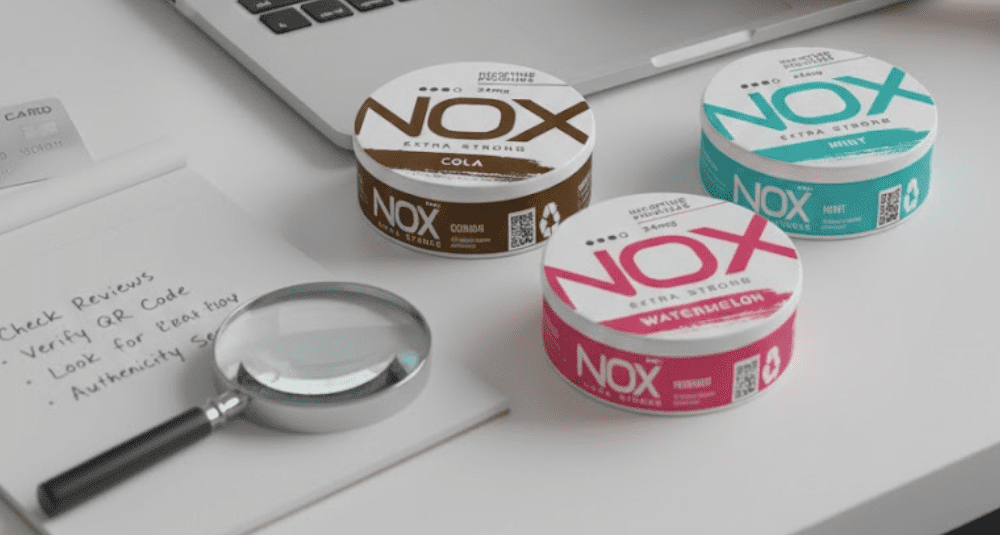
Authentic pouches maintain consistency in design, colour tone, typography, flavour icons and seal placement. Buyers ought to compare the seller’s images with those published on the brand’s official website or authorised retailers. Differences in font style, logo position, warning labels or overall layout often signal imitation packaging. Listings that use computer generated mockups rather than real product photos also warrant caution
3.2 Check for batch code, lot number and expiry
Every reputable nicotine pouch manufacturer prints a batch or lot number along with a clear expiry date on the container or outer wrap. These codes help trace manufacturing timelines and quality control processes. A missing, blurred or oddly formatted code suggests the product may not originate from an approved facility. Expiry dates that appear unusually distant or recently altered should also prompt further review
3.3 Spot fake listings through duplicate or inconsistent images
Counterfeit listings often reuse the same images across multiple sellers or display pictures with mismatched angles, lighting or label details. If the product photo looks identical to another listing from a different vendor, the pouch may not be genuine. Buyers should also be cautious when the image quality seems too low for a commercial product or when the labels appear digitally edited
3.4 Verify seller identity, domain trust signals and contact details
A legitimate seller provides a clear business name, physical address, customer support email, and working phone number. Websites with incomplete details, recently registered domains or poor security certificates reduce buyer trust. Marketplace sellers should have consistent ratings, verified purchase histories and transparent policies. A seller that avoids sharing basic information or offers unusually low prices may not be associated with genuine distribution channels
4. Review Lab Reports and Ingredient Transparency
Lab testing remains one of the strongest indicators of product reliability because it verifies whether the listed nicotine strength, purity levels and ingredient claims match the actual formulation. Reputable brands publish Certificates of Analysis that detail the testing standards applied and the findings for each product batch. These reports allow buyers to confirm the safety profile of the pouch and understand exactly what they are consuming
4.1 Why COA matters for nicotine content and purity
A COA confirms whether the nicotine levels stated on the label are accurate and consistent. It also shows whether the product contains unwanted contaminants such as heavy metals, microbial growth or residual solvents. These factors influence both safety and performance. Without a COA, buyers cannot be certain that the pouches meet accepted quality criteria or comply with regional safety benchmarks
4.2 How to read a lab report
A clear COA includes batch details, sample collection dates, test parameters, measurement units and pass or fail indicators. Buyers should check whether nicotine content falls within an acceptable variance range and whether all tested contaminants are listed as non detectable or within safe limits. Authentic reports display the lab’s accreditation, signatures, reference numbers and proper formatting. Reports that appear edited, incomplete or lack essential fields may not be trustworthy
4.3 Accredited third party testing
The most credible COAs come from independent laboratories that follow recognised testing standards. Third party testing ensures the results were not influenced by internal bias and that objective procedures were followed. Laboratories associated with ISO 17025 accreditation or known analytical facilities offer stronger reliability. If a seller cannot provide an independently issued report, product quality becomes harder to confirm
4.4 Warning signs in ingredient lists
Ingredient transparency is another crucial factor. Vague descriptions such as proprietary formula or natural essence without specific breakdowns limit buyers’ understanding of what the pouch contains. Excessive sweeteners, artificial additives or unverified flavour compounds can affect product consistency and safety. Missing ingredients or inconsistencies between the website and packaging descriptions also suggest inadequate disclosure
5. Understand Nicotine Strength and Label Accuracy
Nicotine strength influences user satisfaction, comfort and overall experience. Clear and accurate labeling ensures buyers select the correct strength and avoid unintended overuse. Because different brands use varied measurement formats, understanding how nicotine levels are presented becomes essential for comparing products effectively
5.1 Difference between mg per pouch and mg per gram
Some brands express nicotine content as milligrams per pouch, while others present it per gram of product weight. These two measurements are not interchangeable. For example, a pouch listed as 6 mg per gram may deliver a different experience from a pouch labeled as 6 mg per pouch, depending on size and moisture levels. Buyers should consider the measurement format when comparing products across brands
5.2 Choosing the right strength for experience level
First time users often prefer mild to medium strengths because they provide a balanced sensation without overwhelming effects. Experienced users may choose higher strengths for a more pronounced experience. Selecting a suitable level requires understanding personal tolerance and reviewing the brand’s recommended usage. A well labeled product assists the buyer in choosing confidently
5.3 Red flags such as missing strength labels or inconsistent details
A listing that fails to show nicotine strength, lists it only in vague terms or presents inconsistent figures across the page indicates unreliable sourcing. Some counterfeit products use intentionally confusing labels to disguise low quality contents. Any mismatch between the product photo, description and COA is a sign that the listing needs careful scrutiny
6. Evaluate Manufacturing Standards and Packaging Quality
High quality nicotine pouches are produced in controlled environments that follow recognised safety and hygiene standards. These practices influence purity, consistency and overall performance. Packaging also plays a major role in preserving freshness and protecting the product during storage and delivery
6.1 Indicators of clean production such as GMP or ISO practices
Manufacturers that follow Good Manufacturing Practices or hold ISO certifications demonstrate a commitment to controlled processes and stringent quality checks. These standards cover facility hygiene, raw material handling, batch consistency, testing frequency and documentation. A seller that specifies these practices offers stronger assurance about product reliability
6.2 Packaging seals, moisture protection and freshness
Authentic pouches arrive with intact seals and properly fitted lids that maintain moisture and flavour integrity. High quality containers often incorporate airtight designs or tamper evident features. Damage, loose lids or dried pouches indicate poor storage or mishandling during distribution. Clear moisture control measures usually reflect better product care
6.3 Storage instructions and shelf life
Reliable brands provide storage guidelines and a realistic shelf life estimate that aligns with industry norms. The expiry date should appear on each unit, not only on external packaging. Missing storage instructions or unusually long expiry timelines suggest either inadequate testing or an attempt to mask product age
7. Analyse Customer Reviews and Real Buyer Feedback
Customer feedback remains one of the most accessible tools for assessing product quality from actual user experience. Reviews help identify recurring issues, performance satisfaction, flavour accuracy and batch variations. Analysing these insights supports more informed buying decisions
7.1 Why verified purchase reviews carry more weight
Verified reviews come from buyers who have completed an actual transaction, making their feedback more reliable compared to anonymous comments. These reviews often include specific details such as flavour intensity, pouch texture and delivery condition, offering practical insights that promotional descriptions may not cover
7.2 Identifying patterns in complaints
A single negative review might not reflect overall quality, but recurring complaints reveal underlying issues. Patterns such as inconsistent strength, rapid drying, leaking containers or misleading images indicate problems with either the product or the seller. Tracking these patterns helps buyers avoid unreliable listings
7.3 Photos, batch mentions and long form feedback
Reviews that include photos, batch numbers, or detailed descriptions provide stronger evidence of authenticity. These reviews help buyers compare real packaging with official images and understand how the product performs across different batches. Long form reviews that discuss multiple usage experiences carry higher value than one line comments
7.4 Brand responsiveness as a trust measure
Brands that respond promptly to reviews, address concerns and offer solutions demonstrate accountability. Active engagement shows that the seller values customer satisfaction and maintains transparent communication. Lack of response, especially for repeated issues, raises concerns about post purchase support
8. Check Legal Requirements, Age Restrictions and Shipping Rules
Nicotine pouches fall under regulated product categories in many regions, meaning buyers need to understand the legal expectations that apply before placing an online order. Laws govern where these products can be sold, which age groups may purchase them and how they can be shipped across borders. Reviewing these factors reduces the risk of delivery issues, confiscations or non compliant purchases
8.1 Why nicotine pouch laws differ by country
Each country regulates nicotine differently based on public health policies, product classification and local enforcement measures. Some markets treat nicotine pouches as consumer goods, while others categorise them under stricter tobacco alternatives. These distinctions influence whether online sales are allowed, what labelling rules apply and which strengths can be sold legally. A product legally sold in one region may be restricted or banned in another due to differing interpretations of nicotine safety and marketing controls
8.2 Importance of age verification
Reputable sellers use age verification measures to ensure only eligible buyers access nicotine products. Age checks protect minors and help the seller comply with regional laws governing controlled substances. A credible platform will request identification details during checkout or upon delivery through courier authentication. Absence of these checkpoints often indicates a seller attempting to bypass legal standards, which increases buyer risk and signals poor operational ethics
8.3 Carrier limitations and customs checks
Not all shipping carriers handle nicotine products, and some require special declarations or packaging compliance. International shipments may undergo customs inspection where authorities check for correct documentation, ingredient disclosures and adherence to import laws. Packages lacking accurate labelling or paperwork may face delays or seizure. Choosing a seller that clearly states which carriers they use and how they manage customs requirements provides smoother delivery outcomes
8.4 How to verify regional compliance before ordering
Buyers can confirm legality by checking local regulatory websites, reading the seller’s compliance guidelines and reviewing customer experiences from the same region. Authentic sellers publish compliance notes and clarify country specific restrictions on their product pages. When unsure, contacting customer support with questions about age rules, permitted strengths or shipping eligibility helps avoid unintended violations
9. Price Comparison and Avoiding Counterfeit Bargains
Price can reveal a great deal about product authenticity because counterfeit or low quality pouches often rely on extremely low pricing to attract unknowing buyers. A structured approach to comparing prices helps identify unrealistic offers and prevents wasteful purchases. Buyers benefit from looking beyond the visible price tag and assessing deeper value indicators such as pouch count, freshness and verified sourcing
9.1 Cost per pouch as a reliable metric
Comparing nicotine pouches requires a consistent metric, and cost per pouch offers the most reliable basis. This method reduces confusion caused by differing container sizes, multipack formats or promotional bundles. Calculating the per pouch cost helps identify whether a listing is priced within a normal market range or stands out for being suspiciously cheap. Higher quality brands often display stable pricing patterns that reflect stricter manufacturing standards
9.2 Unusually low prices as counterfeit indicators
Listings priced far below standard retail levels often signal counterfeit goods, expired batches or unverified imports. These products may contain inconsistent nicotine levels, stale materials or unapproved ingredients. Counterfeiters rely on low pricing to push volume quickly before platforms remove their listings. When a price appears too good to be realistic, the buyer should pause and examine the seller’s authenticity markers more carefully
9.3 Balancing price, quality and shipping fees
A sensible price comparison accounts not only for product cost but also for shipping fees, taxes and return eligibility. A slightly higher priced listing from a verified seller may offer better value due to freshness, transparency and dependable delivery. On the other hand, an inexpensive product with high shipping charges or no return policy may result in higher overall cost. Evaluating total value instead of focusing solely on the initial price helps buyers choose safer and more reliable options
10. Confirm Returns, Refunds and Customer Support Policies
Clear and reliable post purchase policies offer strong insight into how trustworthy a seller is. Nicotine pouches require proper handling, correct storage and timely delivery to retain their intended quality. A seller willing to accept returns, issue refunds and respond to concerns demonstrates accountability and confidence in product authenticity
10.1 Transparent return windows
A reputable seller provides a defined return period that outlines eligibility, accepted conditions and timelines. The policy should specify whether unopened containers are required, how to initiate a return and who bears the shipping cost. A vague or nonexistent return window suggests the seller may not stand behind the product or anticipate customer dissatisfaction. A transparent policy allows buyers to shop with greater assurance
10.2 Refund processing steps
Reliable sellers explain how refunds are issued, how long processing takes and what documentation is required. Buyers should look for clear instructions on order verification, refund methods and communication channels used during the process. A seller that offers structured, predictable refund steps typically operates with better internal controls. Undefined refund procedures or unclear timelines reduce buyer confidence
10.3 How strong customer support reveals a trustworthy seller
Customer support quality reflects the seller’s overall professionalism. Responsive support teams answer product questions, provide guidance on COAs, clarify shipping rules and assist with order issues. Sellers who reply promptly and offer practical solutions tend to prioritise customer satisfaction and product reliability. Lack of response or generic replies may signal operational gaps or lack of commitment to resolving concerns
11. Practical Action Section
This section helps buyers apply the earlier guidance in a real shopping scenario. A structured approach makes it easier to assess a listing quickly and confidently. Following these steps allows buyers to recognise trustworthy pages and avoid low quality or misleading offers
11.1 Step by step inspection of a product page
• Start by examining all product photos and confirming they match known brand packaging
• Check the nicotine strength label, flavour profile and pouch count for clarity and consistency
• Scroll to the description to confirm ingredient transparency and availability of a COA
• Look for batch details, expiry date information and manufacturing claims such as GMP or ISO
• Review seller credentials, including contact details, security indicators and store history
• Examine the review section for verified purchases and detailed feedback
• Confirm shipping rules, return options and payment security before adding the product to the cart
11.2 Questions to ask a seller
• Can you provide the latest COA for the batch currently in stock
• Do you source products directly from the brand or an authorised distributor
• What expiry dates can buyers expect for this product
• Which carriers do you use for shipping nicotine products
• How do you handle returns if the product arrives damaged or does not match the listing
11.3 What proof to request before purchase
• A copy of the COA corresponding to the batch being shipped
• Photos of the actual product packaging including batch code and manufacture date
• Confirmation of storage conditions and freshness
• Clarification on seller authorisation status if they act as a third party
• Written assurance of return or refund options in case of discrepancies
12. Frequently Asked Questions
Below are practical answers to common queries buyers have when evaluating nicotine pouches online. These responses help readers make safe, informed choices while reducing uncertainty
Legality across regions
Nicotine pouch laws vary because each region sets its own rules on nicotine strength, retail permissions and age requirements. Buyers should consult local regulatory resources or official government websites to confirm whether online sales are permitted. Sellers who highlight regional compliance and age rules provide added clarity for international customers
How to validate a COA
A valid COA includes batch details, test parameters, dates, accreditation references and clear pass or fail results. Buyers should verify that the lab is independent and recognised. Matching the COA batch number with the product packaging ensures the report corresponds to the exact stock being shipped
What to do if the pouch causes discomfort
If a pouch creates irritation, unusual sensations or unexpected effects, buyers should discontinue use immediately. Reviewing the ingredient list, batch code and COA helps identify potential inconsistencies. Contacting the seller for clarification and reporting the issue to the brand supports quality control and ensures proper assistance
How to handle counterfeit suspicions
Buyers who notice mismatched packaging, incorrect labelling or clear deviations from known brand designs should contact the seller with their concerns. Requesting proof of authenticity, photos and COAs can confirm whether the item is genuine. If doubts persist, reporting the listing to the marketplace or brand helps prevent further counterfeit sales
Shelf life and storage queries
Nicotine pouches maintain their freshness when stored in cool, dry environments away from direct light. The expiry date printed on the container indicates how long the product retains optimal performance. Buyers should check this date before purchase and confirm that the seller stores products under suitable conditions to preserve flavour and nicotine stability